Gelatide Official Website › Blog › Raspberry ketone
Raspberry Ketone: An Ingredient With No Human Trial
Cell culture, rodents, and no published randomised trial of the isolated compound in humans. Why it is on the label anyway, and what that tells you about the panel.
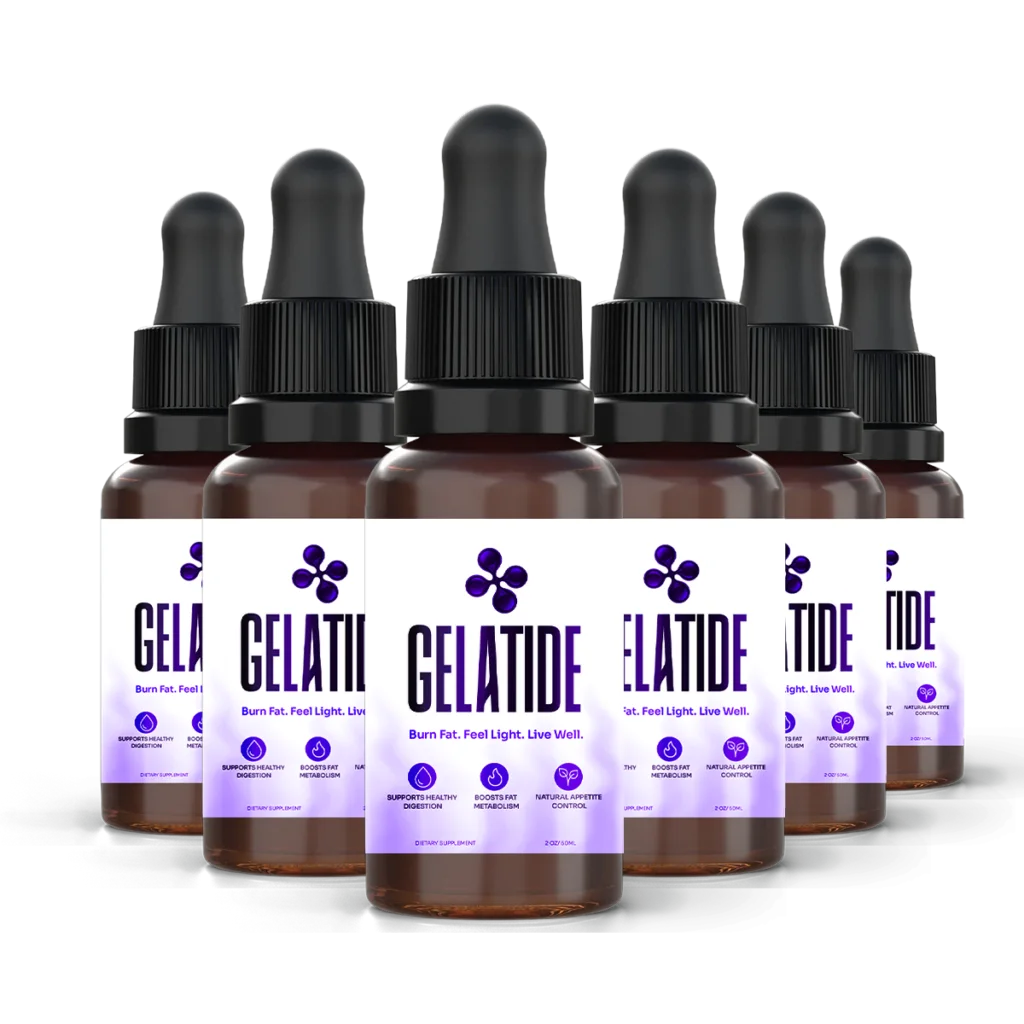
- Raspberry ketone is a flavour compound, 4-(4-hydroxyphenyl)butan-2-one, responsible for part of the aroma of raspberries.
- There is no published human trial of the isolated compound. The 2021 review that pulls the literature together says so.
- The literature is cell culture and rodents. Both are real science and neither is a basis for a human decision.
- The rodent doses were very large relative to body weight.
- It is still legal to name it on a label, which is the part worth understanding.
General information, not medical advice. Gelatide is a dietary supplement for healthy adults aged 18 and over. It is not a drug, it is not FDA-approved, and it is not intended to diagnose, treat, cure or prevent any disease. Two of its six botanicals carry caffeine and no total is printed, so if you take prescription medicine, manage blood pressure, or have a thyroid or liver condition, speak to a clinician or a pharmacist before adding it to anything.
What raspberry ketone is
Raspberry ketone is a single organic compound: 4-(4-hydroxyphenyl)butan-2-one. It occurs naturally in raspberries and contributes to their aroma, and it has been used as a flavouring for a long time with no controversy attached to it.
One point of arithmetic is worth knowing and is rarely mentioned on product pages. The compound occurs in raspberries at very low concentrations, in the region of a few milligrams per kilogram of fruit. Extracting supplement quantities from actual raspberries would be absurdly expensive, so the raspberry ketone in supplements is generally produced synthetically or by biotechnological routes. It is chemically the same molecule; it simply has not been anywhere near a raspberry.
That is not a criticism. A synthesised molecule identical to a natural one is identical. It is worth stating because the word “natural” on this category of label does a lot of work it has not earned.
What the literature on raspberry ketone actually contains
A 2021 pharmacological review in Plants pulls together the published work on raspberry ketone, and it is the honest starting point because it is a review rather than a single paper with something to prove.
What it describes is a body of cell-culture and animal work. Studies in adipocyte cell lines showing effects on lipolysis and on fat accumulation. Studies in rodents fed high-fat diets showing changes in body composition. Mechanistic proposals involving adiponectin and norepinephrine-induced lipolysis.
What it does not describe, because it does not exist, is a randomised controlled trial of raspberry ketone alone in human beings. The review says as much: the human evidence base has not been established.
There are trials of multi-ingredient products that happen to contain raspberry ketone alongside caffeine, green tea, capsaicin and several other things. Those cannot tell you anything about raspberry ketone, because any effect observed could belong to any component or to the combination. That is not a technicality; it is the reason single-ingredient trials exist.
The rodent dose problem
The animal studies that showed effects used doses that are very large relative to body weight. This is the single most common way supplement marketing misleads without technically lying, and it is worth understanding once because it applies far beyond this ingredient.
| What the study did | What a product page says | What is missing |
|---|---|---|
| Fed mice a compound at a high dose per kilogram of body weight | “Shown to reduce fat accumulation” | The species, and the dose per kilogram |
| Measured an outcome over several weeks in a controlled diet | “Supports fat metabolism” | That the diet was controlled and the animals were not choosing it |
| Published a mechanism in adipocyte cell culture | “Works at the cellular level” | That cells in a dish are not a body |
None of the right-hand column is fraud. All of it is the gap between what a study established and what a reader is invited to conclude.
Scaling an animal dose to a human is not a matter of multiplying by body weight, and the pharmacology of doing it properly is genuinely complicated. But the rough shape is clear enough: the amounts that produced effects in rodents are far above what a supplement serving plausibly contains.
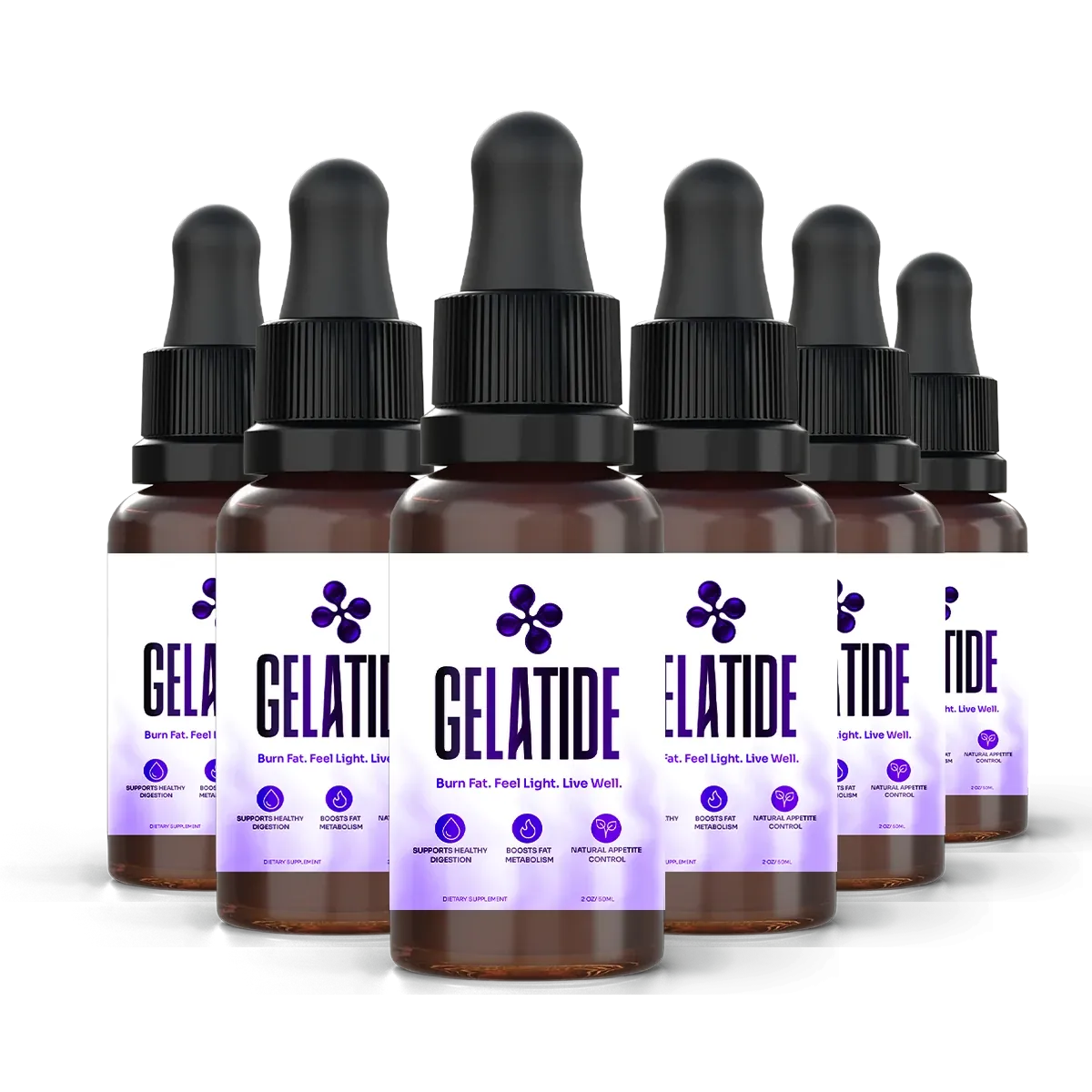
Raspberry ketone is the sixth ingredient in Gelatide
How much, the label does not say. Neither does it say for the other five. This desk sells the product and publishes the gap. $294 for six bottles with a 60-day window.
$49 to $79 a bottle · 60-day money-back window
Order GelatideWhy raspberry ketone can be on a label anyway
Because a structure-function claim does not require a trial of the ingredient.
The FDA permits a supplement to describe an effect on the structure or function of the body without pre-approval, provided the claim is truthful, is not about a disease, and carries the disclaimer at the foot of this page. Truthful, in this framework, does not mean demonstrated in a randomised human trial. A manufacturer is responsible for having substantiation, and the FTC sets out what that substantiation is expected to look like, but nobody checks before a product reaches a shelf.
The NIH fact sheet on weight-loss supplements is blunt about the consequence: the ingredients in this category vary enormously in how much evidence stands behind them, and a place on a label is not evidence of anything.
So raspberry ketone can appear on an ingredient list, contribute to a permitted structure-function claim, and have no human trial behind it, all at once and entirely lawfully. That is the system working as designed rather than a failure of it, and a buyer who understands that will read every label in this category differently.
How it became a supplement ingredient
Raspberry ketone became a mass-market supplement ingredient after a burst of television and online promotion in the early 2010s, on the strength of the rodent work described above. The promotion was extremely effective and the evidence did not change.
A decade later the pattern that produced it is easy to describe:
- A compound with a pleasant, natural-sounding name.
- A plausible mechanism from cell and animal work.
- A public presentation that described the mechanism with more confidence than the data supported.
- No human trial to contradict it, because no human trial existed in either direction.
- A permanent place on ingredient panels once consumer recognition had been established.
That last point is the durable one. Once an ingredient is recognised, it stays on labels because buyers look for it, and the original evidence question stops being asked by anybody in the supply chain.
What raspberry ketone means on this label
Gelatide names raspberry ketone as the sixth of its six botanicals, and prints no amount for it, as it prints no amount for the other five.
For this ingredient specifically, the missing figure is the least consequential of the six. There is no human trial dose to compare against, so knowing the amount would tell you very little that you do not already know. That is a genuinely unusual sentence to write on a website that spends most of its length arguing that missing amounts matter, and it is on the label page too.
What it does tell you is something about the panel as a whole. An ingredient with no human evidence occupying one of six slots is a signal about how the formula was assembled: for recognition as much as for pharmacology. The 2021 systematic review of supplements for weight found very few products in this category with evidence strong enough to recommend, and panels built this way are why.
The honest position on raspberry ketone
It is not dangerous, as far as anyone knows. Nothing alarming has been reported at supplement doses. It is also true that nothing has been systematically looked for, because the absence of human trials is an absence of human safety data as well as efficacy data.
It is not a fraud. The cell and rodent work is real, it was done properly, and it describes something that happens in those systems.
What it is, is an ingredient whose entire human evidence base is an extrapolation. Anything a seller tells you about raspberry ketone and human body composition is a story about mice, told in the present tense about people. Knowing that changes what you should expect from a panel that includes it, and that is the only thing this article is trying to do.
There is a fair objection to all of this, and it deserves an answer. Absence of evidence is not evidence of absence: nobody has run the trial, so nobody can say the compound does nothing in humans. That is correct, and it is exactly why this article does not say it does nothing. What it says is that the trial has not been run, which means any confidence about the human effect is borrowed from rodents rather than earned.
The practical consequence is about where you put your attention. If you are choosing between products in this category, an ingredient with no human trial should count for very little in the comparison, whichever way its biology eventually turns out. And if a product page leads on raspberry ketone specifically, that tells you something about the page: the ingredient with the least human evidence on the panel is being asked to do the most persuading.
Sources cited in this article
- Rao S, Sathish Kumar M, et al. Pharmacological exploration of phenolic compound: raspberry ketone - update 2020. Plants (Basel). 2021;10(7):1323. https://pubmed.ncbi.nlm.nih.gov/34209554/
- Batsis JA, Apolzan JW, Bagley PJ, et al. A systematic review of dietary supplements and alternative therapies for weight loss. Obesity (Silver Spring). 2021;29(7):1102-1113. https://pubmed.ncbi.nlm.nih.gov/34159755/
- National Institutes of Health, Office of Dietary Supplements. Dietary Supplements for Weight Loss: Fact Sheet for Health Professionals. https://ods.od.nih.gov/factsheets/WeightLoss-HealthProfessional/
- U.S. Food and Drug Administration. Structure/Function Claims. https://www.fda.gov/food/nutrition-food-labeling-and-critical-foods/structurefunction-claims
- Federal Trade Commission. Health Products Compliance Guidance. December 2022. https://www.ftc.gov/business-guidance/resources/health-products-compliance-guidance
Every page, every journal post, the bottle facts and the ingredients go through review by Dr. Kia Mitchell, MD before they ship. We write from the printed Gelatide bottle and the seller’s own listing artwork, cite public research beside the amount that research actually used, and print “not published” wherever a figure is not disclosed rather than estimating it. This label names six botanicals and publishes an amount for none of them, and that fact appears in every article that names one. Every PubMed record here was confirmed through the NCBI summary interface before it was written down. Corrections are made on the page itself and the review date moves forward. Write to [email protected]. Last updated September 17, 2026.