Does Appetite Control Work? The 74-Calorie Answer
One of six botanicals here has a meta-analysis measuring what people ate: 74 kilocalories less a meal. What the other five showed, and why no dose is printed.
Gelatide Official Website › Blog
Five long articles about this panel and the claims attached to it. One works through the appetite-control evidence ingredient by ingredient, two are deep dives at the opposite ends of the evidence range, one is about the caffeine nobody quantifies, and one explains what a supplement label is legally permitted to say. All five are written by the Gelatide Team and cite the research inline.
Written to be useful to somebody who is not going to buy anything. Three of the five argue against parts of the product this website sells.
One of six botanicals here has a meta-analysis measuring what people ate: 74 kilocalories less a meal. What the other five showed, and why no dose is printed.
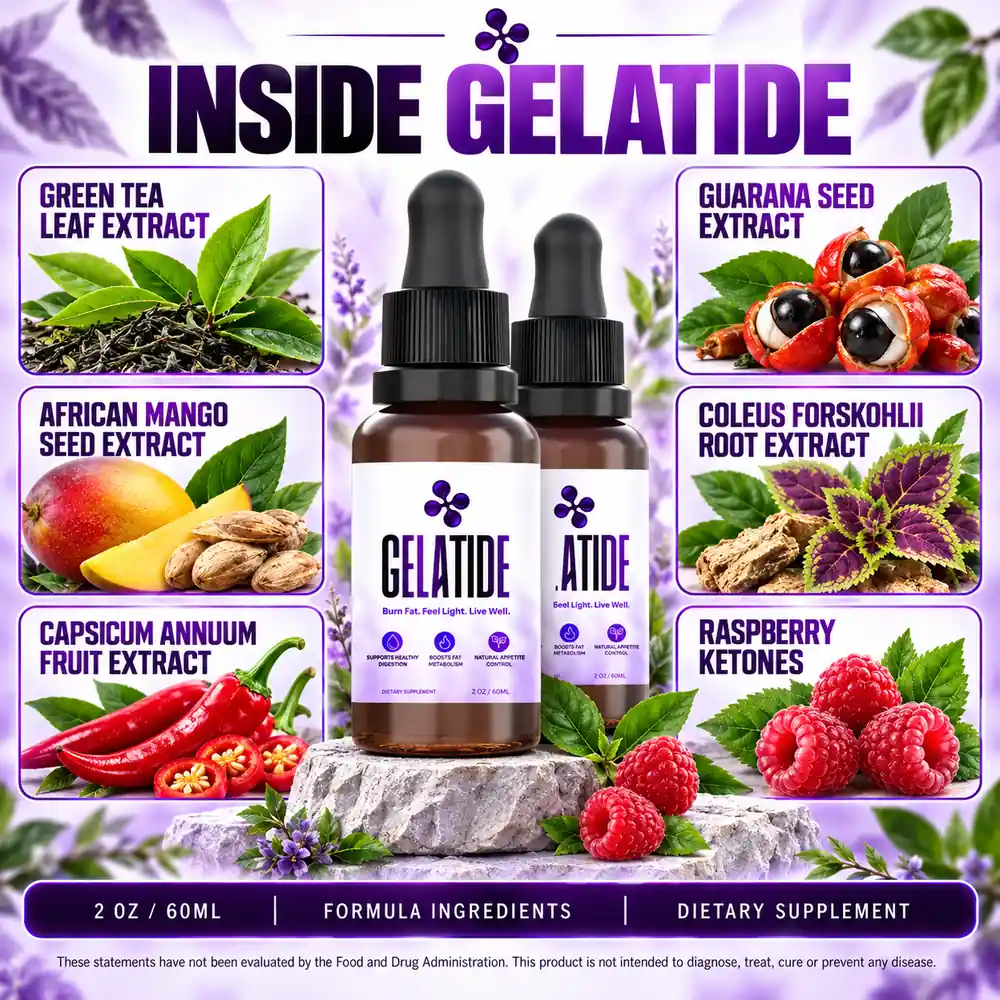
Guarana seed and green tea leaf both carry caffeine and no combined total is printed. Why that one missing number matters more than the rest of the label.
A handful of small trials in the 2000s, a systematic review that found them unconvincing, and fifteen years of marketing built on the gap between the two.
No published randomised trial of the isolated compound in humans, at any dose. Why it is on the label anyway and what that says about how the panel was built.
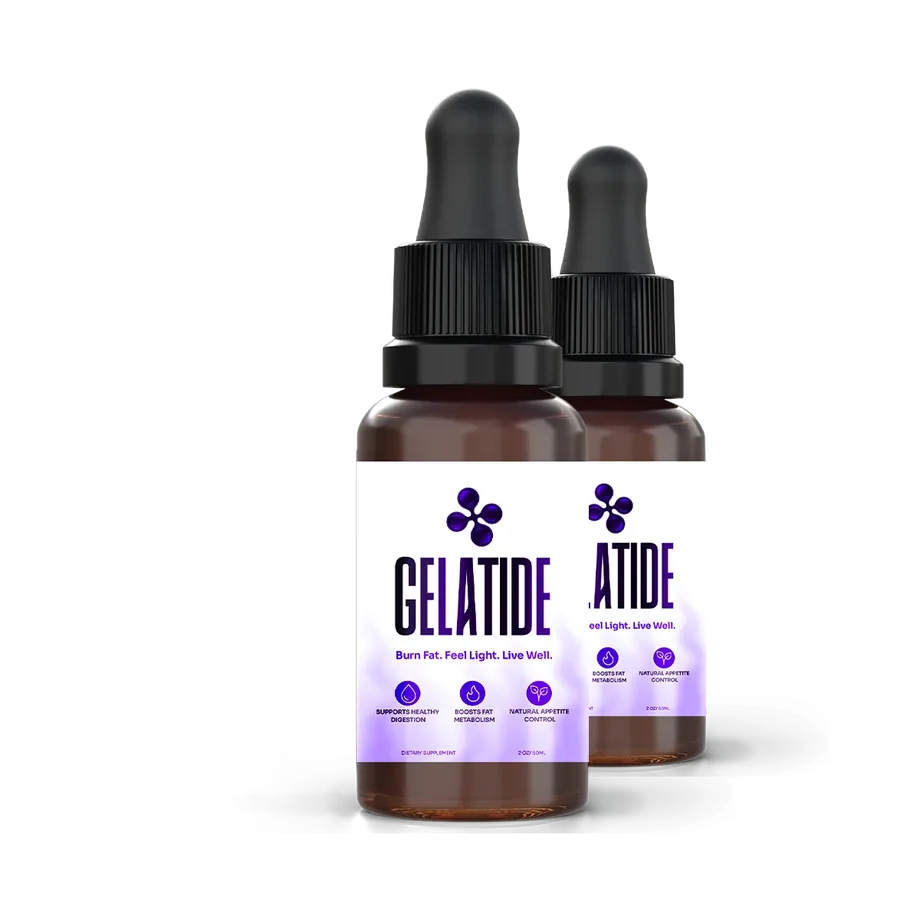
What a supplement label may legally say, what the FDA disclaimer is actually for, and why nothing links a claim to the amount in the bottle.
Every article here starts from something on this product: an ingredient, a claim printed on the bottle, a number that is missing from the panel. None of them starts from a keyword. That is why there is no post called the best metabolism supplement of the year, and why three of the five spend most of their length on what this label does not tell you.
Each one cites its sources inline rather than in a decorative list at the foot. Every PubMed record was confirmed through the NCBI summary interface before it was written down, and every government page was opened in a browser rather than assumed to be live. Several of those hosts refuse an automated client in ways that look exactly like a dead link, so checking them properly is the difference between a citation and a guess. Three sources a draft of this blog wanted were dropped because they could not be verified from this session.
Corrections go to [email protected]. They are made on the article itself rather than in a separate note at the bottom, and the last-updated date on the post moves forward when they are. A date that advances while the content sits still is a signal with no information in it.
Two of the five are about it, because it is the claim printed on the front of the bottle that most buyers are actually buying, and because it is the one with the least human evidence standing behind it.
One article works through all six botanicals against the appetite literature. The other goes deep on the ingredient that has carried most of the marketing for this claim across the whole category.
One article, and it is the most practically useful of the five. Guarana seed and green tea leaf both carry caffeine, both are on this label, and no combined total appears anywhere.
That single missing figure is the one a caffeine-sensitive buyer needs and the one a pharmacist would reason from. It is also cheap to measure and reveals nothing about the formula.
One article on structure-function claims: the three kinds of claim, what the FDA disclaimer is actually for, and the fact that nothing in the rules links a claim to the amount in the bottle.
It is the piece that makes the other four make sense, and it is useful on any product in this category rather than only on this one.
Gelatidefit earns money on orders placed through this website. An article arguing that African mango rests on an unreplicated evidence base, or that raspberry ketone has no human trial, costs this desk sales. That is the point of publishing them.
A supplement website that only says flattering things about its own product is asking to be taken on trust, and there is no reason to extend it. A website that publishes the parts that cost it money can be checked, and the checking is what makes the rest of it worth reading. Every article here is written on that basis and several of them could be quoted against this desk by a competitor.
The same reasoning produces a label page printing twelve rows of which eleven say not published, a reviews page publishing the three-star complaints in full, and a buying checklist that scores this product four out of nine.
Every article on this blog goes through the same five steps, and they are worth setting out because the steps are the only thing separating a researched page from a page that sounds researched.
What that produces is slower to write and less confident in tone than most writing in this category. It also produces pages that hold up when somebody follows a link and reads the paper, which is the only test that matters in the long run.
Read the appetite article. It goes through all six botanicals against the human appetite literature and reaches a number: one ingredient with a real finding, worth about one plain biscuit a meal, at a dose this label does not print.
Then read the caffeine article, because if anything on this panel is going to disagree with you in week one, that is what it will be.
Read the structure-function article. It explains what a label may legally say, what the FDA disclaimer is actually for, and why nothing in the rules connects a claim to the quantity in the bottle.
It ends with five phrases worth learning to recognise, and those five will change how every product page in this category reads, including this one.
The two ingredient articles, African mango and raspberry ketone, sit at the two ends of the evidence range on this panel. Read together they describe the shape of the whole category: an ingredient whose reputation outran a handful of small unreplicated trials, and an ingredient with no human trial at all, both occupying slots on a six-name label.